Why regular eye tests matter
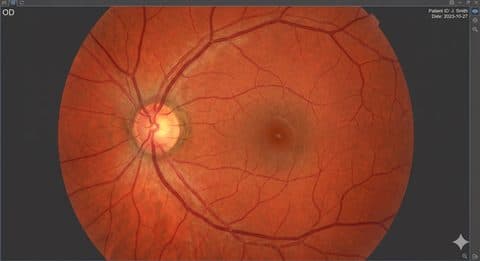
Regular eye tests are one of the most important yet frequently overlooked aspects of preventive healthcare in the UK. Unlike many other medical assessments, an eye examination does far more than simply check whether you need glasses. A comprehensive eye test can detect the early signs of serious systemic conditions such as diabetes, high blood pressure, high cholesterol, and even brain tumours, often before you experience any symptoms at all. The back of the eye is the only place in the body where blood vessels can be observed directly without surgery, making it a uniquely valuable diagnostic window.
Despite these benefits, research consistently shows that millions of British adults are overdue for an eye test. A 2024 survey by the Association of Optometrists found that roughly one in four UK adults had not visited an optician in the past two years, and many could not remember the last time they had their eyes examined. This is concerning because conditions such as glaucoma, age-related macular degeneration, and diabetic retinopathy can progress silently, causing irreversible damage before symptoms become noticeable.
The good news is that knowing how often you should have an eye test is straightforward, once you understand the general guidelines and the personal risk factors that might mean you need more frequent checks. In this guide, we break down the recommendations by age group, outline who qualifies for free NHS eye tests, and highlight the warning signs that should prompt an immediate visit to your optician.
General guidelines for adults
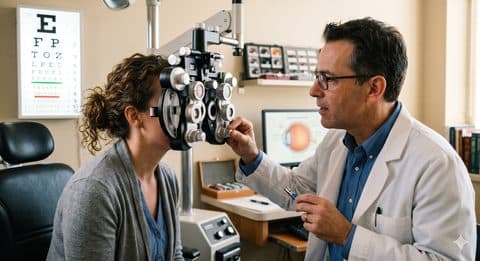
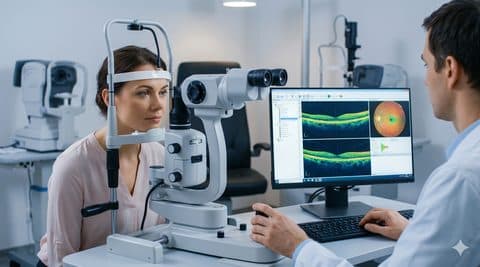
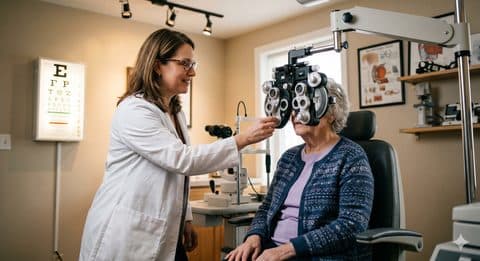
For most healthy adults aged 18 to 69, the standard recommendation is to have a comprehensive eye test every two years. This biennial schedule is endorsed by the College of Optometrists and the NHS, and it strikes a sensible balance between catching early problems and minimising unnecessary appointments. During a routine eye test, your optician will check your visual acuity, assess the health of your eyes using specialised equipment, and screen for conditions like glaucoma and cataracts.
However, the two-year guideline is a minimum, not a maximum. If you notice any changes in your vision between appointments, such as blurriness, difficulty reading, headaches, or seeing flashing lights and floaters, you should book an eye test straight away rather than waiting for your next scheduled visit. Your optician may also recommend more frequent visits based on your individual circumstances, family history, or the results of your last examination.
Adults who wear glasses or contact lenses are sometimes advised to attend annual eye tests, particularly if their prescription has been changing. Contact lens wearers in particular need regular check-ups to ensure their lenses are fitting correctly and not causing any damage to the surface of the eye. If your optician has recommended annual visits, it is important to follow that advice even if your vision seems fine.
Eye test frequency for children
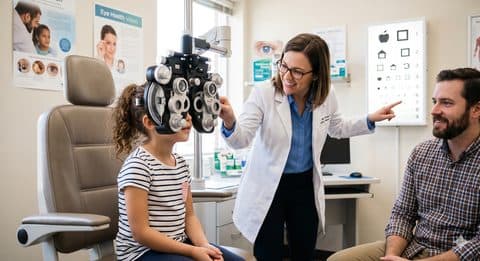
Children should have their first eye examination before they start school, ideally by the age of three or four. Many areas of the UK offer vision screening as part of the school entry health check, but this is not a substitute for a full eye test with a qualified optician. Early detection of problems such as amblyopia (lazy eye), squint, or significant refractive errors is critical because the visual system is still developing during childhood, and treatment is far more effective when started early.
Once a child has had their initial assessment, the College of Optometrists recommends annual eye tests throughout childhood and adolescence. Children's eyes change rapidly as they grow, and conditions such as myopia (short-sightedness) are becoming increasingly common, partly due to increased screen time and less outdoor play. Regular testing ensures that any changes are picked up promptly and corrective measures, such as glasses or myopia management strategies, can be put in place.
All children under the age of 16 are entitled to free NHS eye tests, as are young people under 19 in full-time education. There is no reason to delay getting your child's eyes checked, and doing so can have a profound impact on their learning, development, and quality of life.
Recommendations for over-70s
Once you reach 70, the risk of developing age-related eye conditions increases significantly. Cataracts, glaucoma, macular degeneration, and diabetic eye disease all become more prevalent with advancing age, and the consequences of late detection can be severe, including permanent vision loss. For this reason, the NHS recommends that everyone aged 70 and over should have their eyes tested at least once a year.
Annual eye tests for older adults are particularly valuable because many age-related conditions develop gradually and painlessly. Glaucoma, for example, typically affects peripheral vision first, and you may not notice anything wrong until a substantial amount of vision has already been lost. With regular testing, your optician can monitor the pressure inside your eyes, examine the optic nerve, and detect glaucoma at a stage when treatment can prevent further damage.
If you are 60 or over, you are entitled to a free NHS-funded eye test every two years. Once you reach 70, the recommendation shifts to annual testing, and you remain eligible for free NHS tests. If you have a family history of glaucoma (a parent, sibling, or child who has been diagnosed), you are also entitled to free annual NHS eye tests from the age of 40 onwards.
Who needs more frequent eye tests?
Certain groups of people should have their eyes tested more frequently than the standard two-year schedule, regardless of age. These include individuals with diabetes, who should have an annual diabetic eye screening as part of the national programme in addition to regular eye tests with their optician. Diabetes can cause diabetic retinopathy, a condition that damages the blood vessels at the back of the eye and is one of the leading causes of preventable blindness in the UK.
People with a family history of eye disease, particularly glaucoma or macular degeneration, are at higher risk and should discuss an appropriate testing schedule with their optician. Those from African, Caribbean, or Asian ethnic backgrounds are also at greater risk of certain eye conditions, including glaucoma, and may benefit from more frequent monitoring.
Other groups who may need annual or more frequent eye tests include people with high myopia (a prescription of minus six dioptres or stronger), those taking certain medications that can affect the eyes (such as long-term corticosteroids), individuals with a history of eye injury or surgery, and people with systemic conditions like rheumatoid arthritis or multiple sclerosis that can have ocular complications.
NHS eligibility for free eye tests
Understanding whether you qualify for a free NHS eye test is important, as it removes a potential barrier to regular check-ups. In England, you are entitled to a free NHS-funded eye test if you fall into one or more of the following categories: you are under 16 years of age; you are under 19 and in full-time education; you are aged 60 or over; you are registered as partially sighted or blind; you have been diagnosed with diabetes or glaucoma; you are considered at risk of glaucoma because an immediate family member has been diagnosed; you are an NHS complex lens voucher holder; you are a prisoner on leave from prison; or you receive certain means-tested benefits such as Income Support, income-based Jobseeker's Allowance, Pension Credit Guarantee Credit, or Universal Credit.
In Scotland and Wales, free NHS eye tests are available to everyone, regardless of age or income. In Northern Ireland, free eye tests are available to certain eligible groups, including children, over-60s, and those on qualifying benefits. If you are unsure whether you qualify, your local optician can advise you, and the NHS website has a detailed eligibility checker.
Even if you do not qualify for a free NHS eye test, the cost of a private eye test is typically between twenty and thirty-five pounds, and many high-street opticians offer promotional deals. Given the wealth of health information a comprehensive eye test provides, it represents excellent value for money and should be considered a worthwhile investment in your long-term health.
Tips for staying on top of your eye health
Beyond regular eye tests, there are several practical steps you can take to protect your vision. Eating a diet rich in leafy green vegetables, oily fish, and colourful fruits provides essential nutrients such as lutein, zeaxanthin, and omega-3 fatty acids that support eye health. Wearing UV-protective sunglasses when outdoors reduces the cumulative damage that ultraviolet light can cause to the lens and retina. Quitting smoking is one of the single most impactful things you can do for your eyes, as smoking significantly increases the risk of cataracts and macular degeneration.
If you spend long periods looking at screens, follow the 20-20-20 rule: every 20 minutes, look at something 20 feet away for at least 20 seconds. This helps reduce digital eye strain and keeps your blink rate up, which prevents the eye surface from drying out. Ensuring adequate lighting when reading or doing close work, and positioning your computer screen at eye level, can also reduce fatigue and discomfort.
Finally, keep a record of your eye test appointments and set reminders so you never fall behind schedule. Many opticians will send you a reminder when your next test is due, but it is worth taking responsibility for your own eye health rather than relying solely on these notifications. If you have children, add their eye test to your family health calendar alongside dental check-ups and other routine appointments. Regular eye care is a small commitment that pays enormous dividends for your vision and overall wellbeing.